As the Three Lions prepare for the 2026 World Cup, the legendary striker reflects on the heartbreaking failures of David Beckham and the fabled 'Golden Generation'.
With England officially naming their squad for the upcoming 2026 World Cup, a familiar and painful question has resurfaced: can this modern crop of players finally achieve what the fabled 'Golden Generation' could not? For over a decade, a squad boasting world-class icons repeatedly fell short of delivering a long-awaited international title, leaving an entire nation pondering what might have been.
Michael Owen, who spearheaded the English attack during those frustrating campaigns in the late 1990s and 2000s, recently opened up about the near-misses that remain the toughest to stomach. The former Liverpool and Real Madrid talisman believes that specific tournaments were left on the table by a squad overflowing with generational talent.
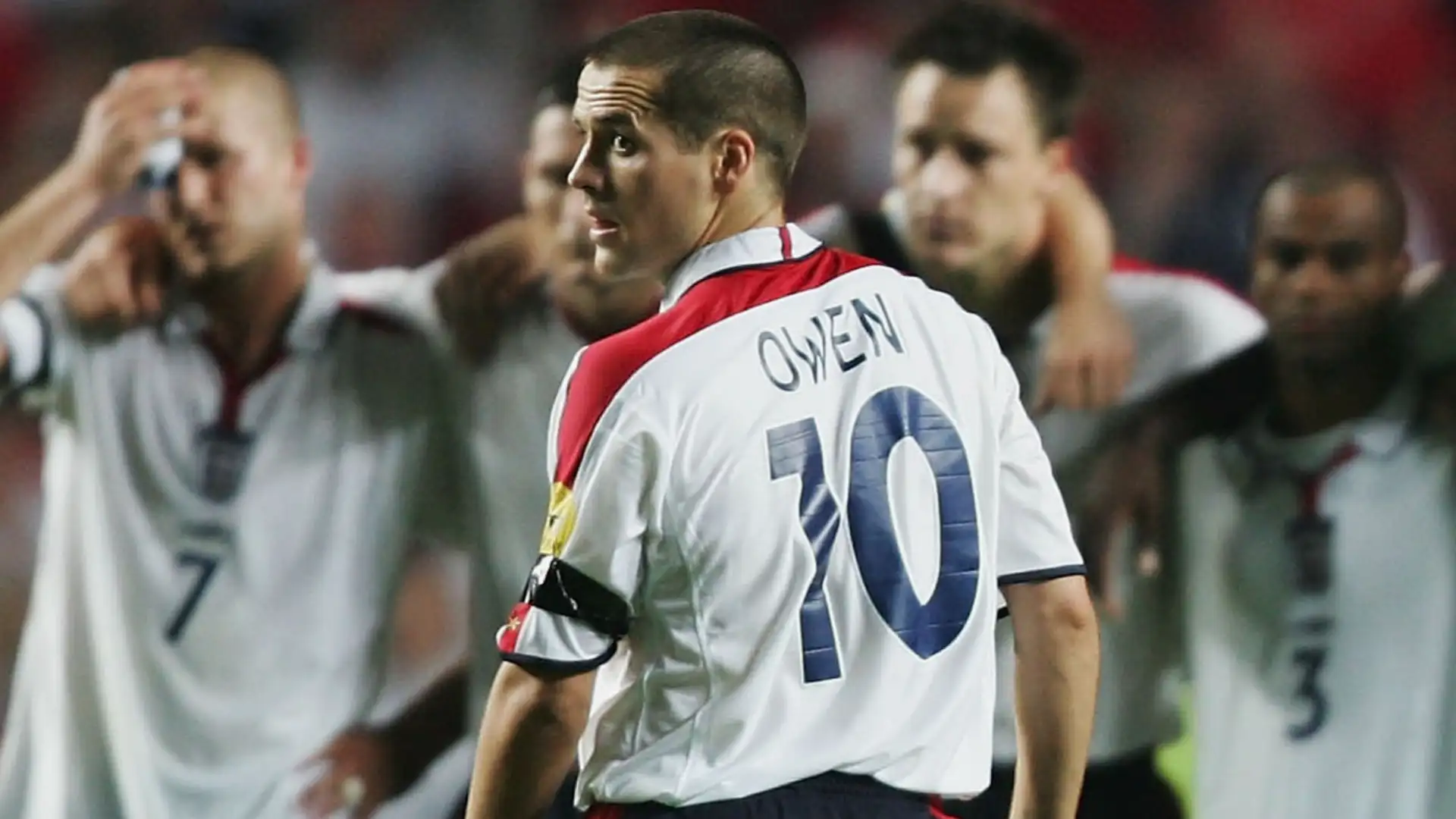
Owen famously burst onto the international scene in 1998. As a fearless 18-year-old, he became England’s youngest tournament goalscorer that summer, etching his name into footballing folklore with a legendary, mesmerizing solo effort against Argentina in the last 16. It was a goal that announced him to the world.
Sponsored
[ Google AdSense — In-Article Native Ad ]
However, that iconic match ultimately ended in penalty shootout heartache. The Three Lions were forced to battle with 10 men following David Beckham’s infamous red card—a pivotal moment that came to define an era of agonizing 'what-ifs' for English football. As a new generation prepares for 2026, the ghosts of 1998 still serve as a stark reminder of the fine margins in international football.
Sponsored
[ Google AdSense — In-Article Native Ad ]
By the time the 2002 World Cup arrived in Japan and South Korea, England boasted a star-studded squad under Sven-Göran Eriksson. Featuring the likes of Owen, Beckham, Ashley Cole, and Steven Gerrard, expectations were astronomical. However, it was Ronaldinho and an iconic Brazil side that ultimately dashed their dreams.
Looking back, Owen views that specific tournament as the ultimate missed opportunity. "We basically needed to beat one team," Owen reflected, noting that the other side of the draw featured a German side they had recently dismantled 5-1 in qualifying. "I do almost think we were one game away from winning it."
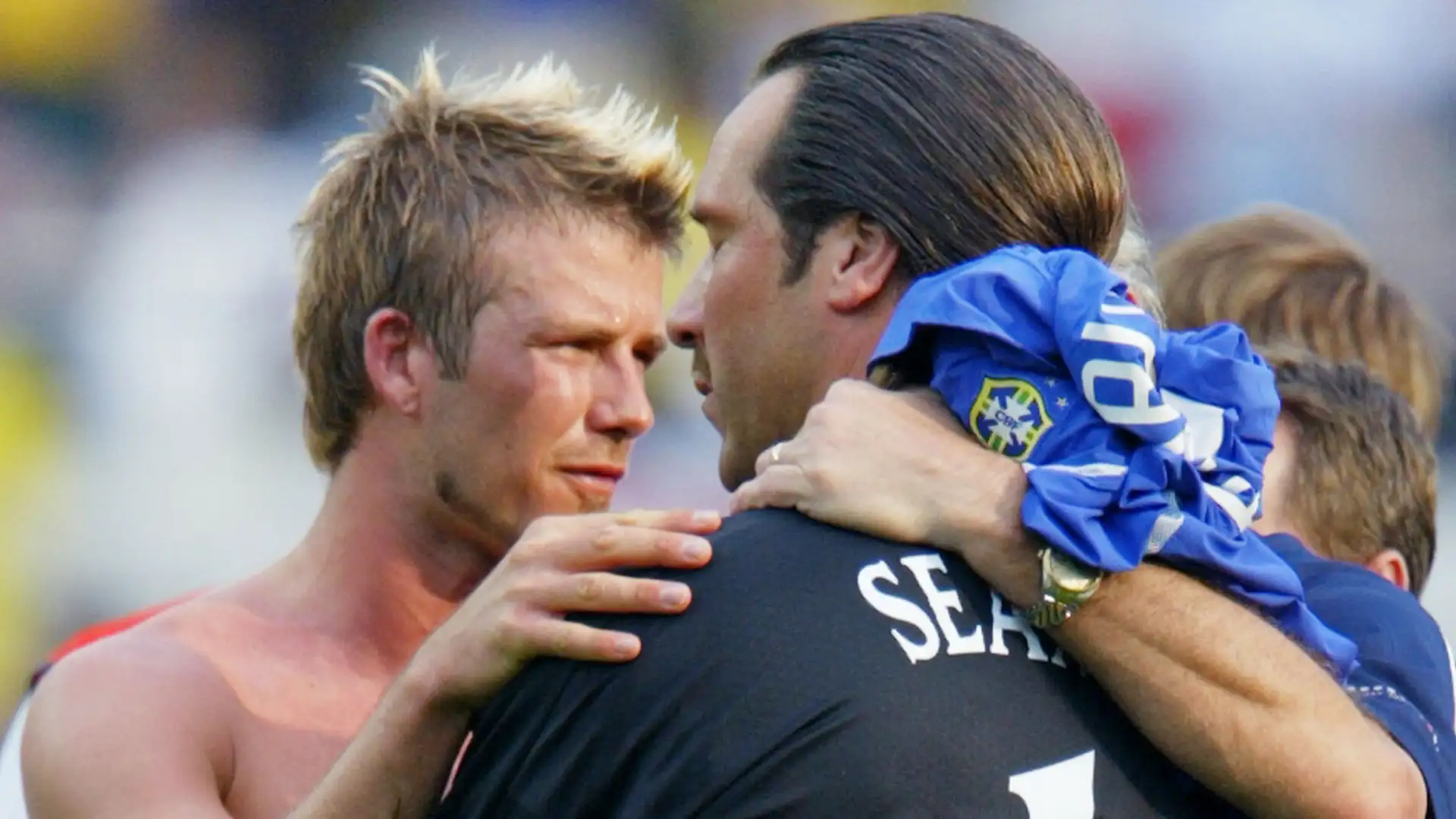
The subsequent additions of Wayne Rooney and Frank Lampard for the 2004 European Championship only heightened expectations, yet the campaign ended in familiar penalty shootout agony against Portugal. History painfully repeated itself against the exact same opposition at the 2006 World Cup, a match forever defined by Cristiano Ronaldo's infamous wink.
When pressed to pinpoint the definitive 'Golden Generation' defeats that hurt the most, Owen pointed squarely to 2002 and 2004.
"In Portugal [2004], we should have beaten them," Owen lamented. "Wayne Rooney got injured early on when we were 1-0 up. If we advance there, we could have played Greece in the final." Despite the controversial disallowed goals and red cards of 1998, the former striker remains steadfast in his belief that the squads of 2002 and 2004 were the ones that truly let international glory slip through their fingers.
For a fleeting moment, Gareth Southgate looked destined to be the man to finally drag England over the winning line. During a transformative tenure that ultimately earned him a knighthood, Sir Gareth guided the nation through a series of deep tournament runs, only to suffer agonizing setbacks in both World Cup semi-finals and consecutive European Championship finals. The psychological barrier remained intact.
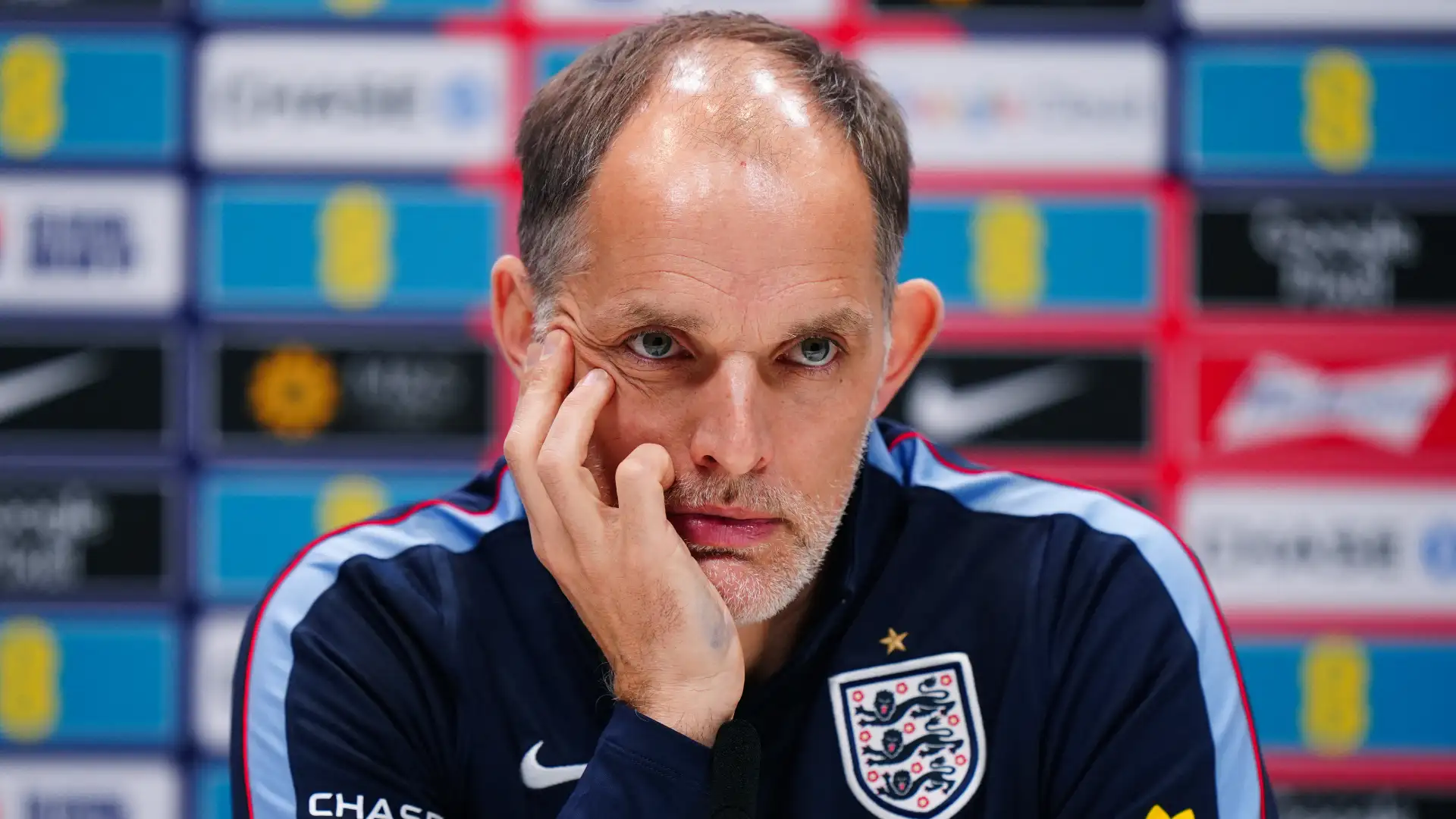
Now, the monumental managerial baton has been passed to Thomas Tuchel. The esteemed German tactician arrives with a distinguished, uncompromising coaching CV, boasting both domestic titles and Champions League glory from his tenures at Bayern Munich and Chelsea.
Tasked with the ultimate objective, Tuchel has already sent shockwaves through the English footballing establishment with his ruthless squad selection for the 2026 World Cup. By controversially overlooking established household names like Cole Palmer, Phil Foden, Harry Maguire, and Trent Alexander-Arnold, Tuchel has made a bold statement of intent. Armed with a steadfast belief in his own methods, the new manager aims to draw inspiration from the agonizing near-misses endured by Owen and the Golden Generation, determined to finally deliver the international supremacy that has eluded England for six decades.