The former USMNT midfielder turned broadcaster opens up about Mauricio Pochettino's impact, why Christian Pulisic always delivers on the big stage, and Cristiano Ronaldo's impending swansong.
The 2026 World Cup is poised to be a cultural watershed moment for the United States. According to former USMNT midfielder Stu Holden, it is the undeniable catalyst that will finally push soccer from a thriving subculture into the undisputed American mainstream. "We are about to birth an entirely new generation of soccer fans," Holden explained in a recent interview. "People will experience this game up close and personal for the very first time, and the ripple effect on future generations will be monumental."
Holden’s perspective is uniquely informed. Born in Scotland but raised in Texas, he parlayed a lifelong obsession with the sport into a stellar playing career. Now, acting as an ambassador for FIFA’s official hospitality packages and serving as a lead voice on the microphone for Fox Sports, he will have a front-row seat to the biggest sporting spectacle in history.

Sponsored
[ Google AdSense — In-Article Native Ad ]
However, the host nation approaches the tournament with lingering questions, most notably surrounding their talisman, Christian Pulisic. Currently enduring a frustrating domestic spell with AC Milan and a recent goal drought for the national team, the winger's form has raised eyebrows among the fanbase. Yet, Holden remains remarkably unfazed by the noise.
"If you look back ahead of the 2022 World Cup, he was struggling for minutes and goals, enduring a similar drought for the US, yet he still delivered a massive tournament in Qatar," Holden noted, referencing Pulisic's historical ability to elevate his game when it matters most. "That precedent is what I fall back on. It gives me absolute confidence that he will step up when the lights are brightest."
Looking beyond the USMNT camp, Holden also assessed the wider tournament landscape. While he acknowledges the romantic narrative surrounding Cristiano Ronaldo’s final international bow—tipping Portugal to be dangerous and make a deep run—he ultimately believes the sheer depth and tournament pedigree of the French national team make them the heavy favorites to conquer North America.
Sponsored
[ Google AdSense — In-Article Native Ad ]
Analyzing Christian Pulisic’s current trajectory is a complex undertaking. According to Holden, the winger's on-field output is deeply intertwined with his overall happiness and mental well-being—factors that the modern footballing landscape often underestimates. Carrying the "weight of the shirt" and the suffocating expectations of an entire nation can take its toll on any player, leading to the dramatic peaks and troughs that currently separate Pulisic from the game's undisputed, consistent legends.
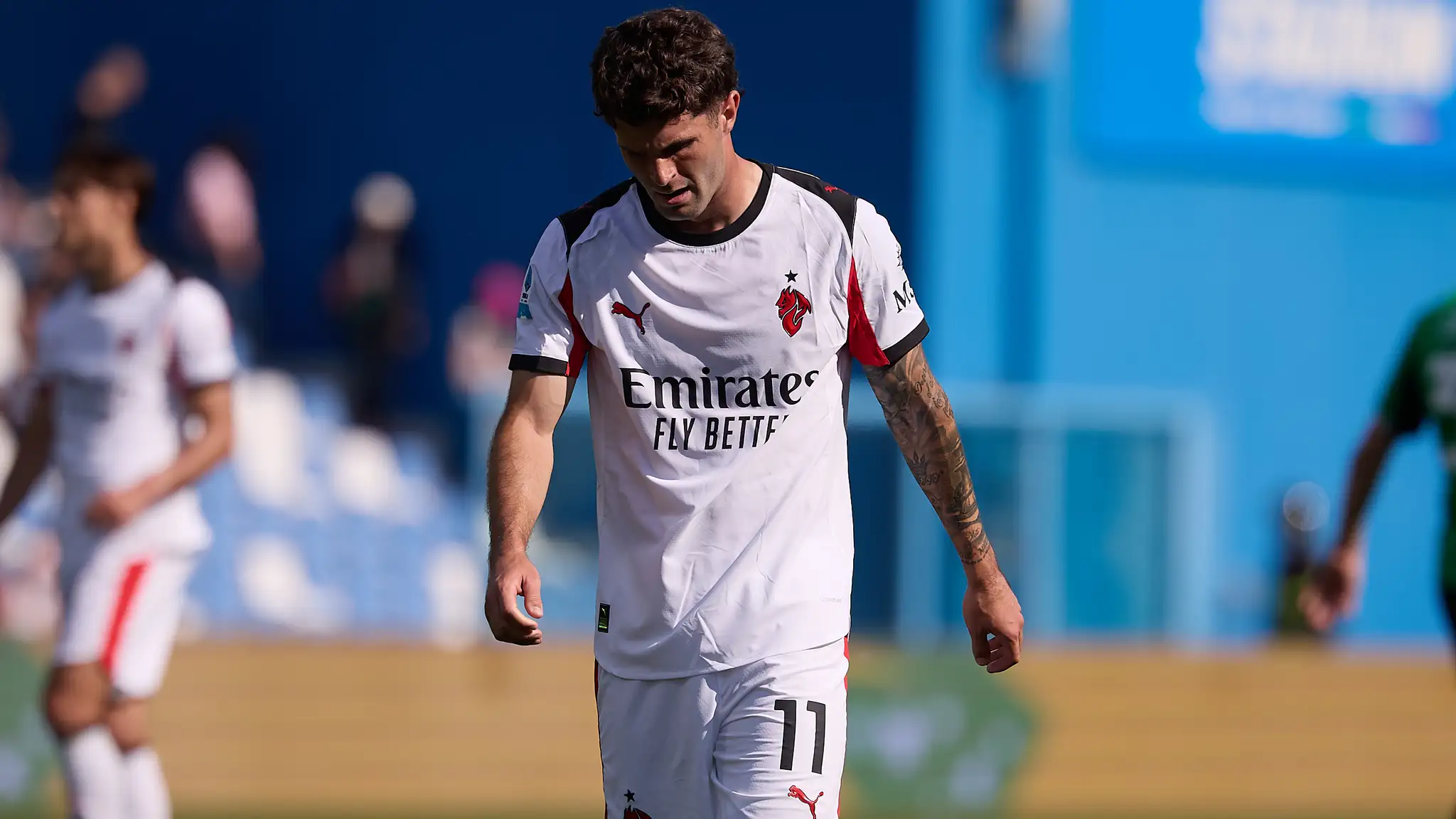
However, Holden offers a reassuring tactical and emotional silver lining: the emergence of Weston McKennie. The Juventus midfielder has evolved into arguably the most vital engine for this U.S. side, and his presence acts as a massive pressure-relief valve for Pulisic.
"McKennie plays with a much more laissez-faire mentality," Holden observes. "He steps onto the pitch simply to have fun, compete fiercely, and dominate his opponent regardless of the stakes. That attitude is exactly what Pulisic needs right now."
For the United States to mount a serious challenge on home soil, Pulisic undoubtedly needs to be a star. But as Holden points out, he no longer has to be the only star. Despite recent niggling injuries, personal doubts, and a drop in starting minutes at the club level, the underlying faith in Pulisic’s big-game pedigree remains unshaken. When the ultimate moment arrives on the World Cup stage, the consensus among those who know him best is that he will, once again, find a way to step out of the shadows.
The hiring of Mauricio Pochettino was a massive statement of intent by U.S. Soccer, a financial and tactical gamble engineered specifically for the 2026 World Cup. According to Holden, the Argentine's tenure will be judged solely on this single, monumental tournament.
"If he does the same that everybody else has done... it'll be viewed as a failure," Holden notes, pointing out that Pochettino was brought in to push the program beyond its historical round-of-16 ceiling.
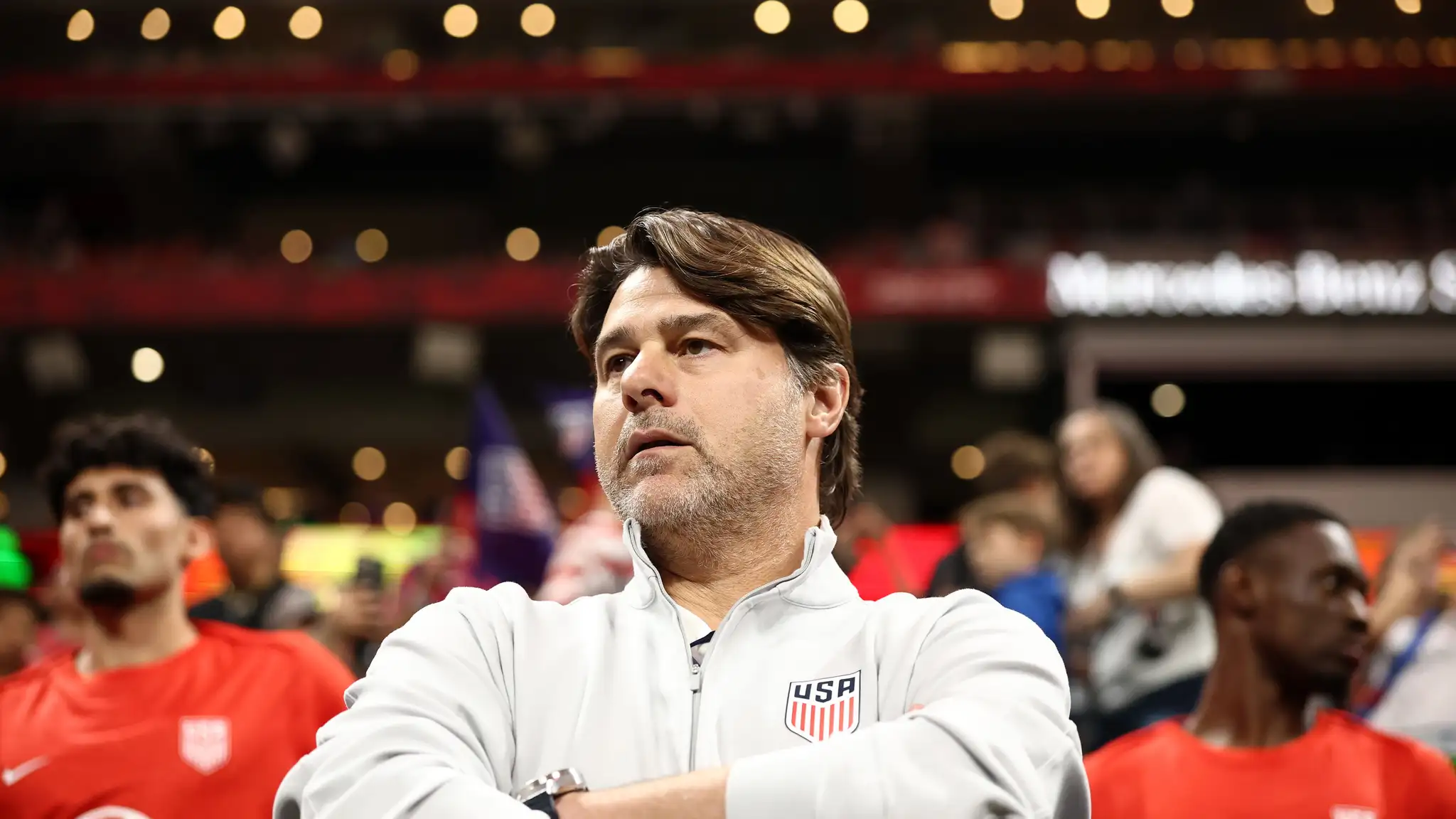
Adjusting to the USMNT job hasn't been without its learning curves. Holden observes that Pochettino has had to quickly decipher the unique mentality of the American player—not just to accept it, but to aggressively reframe it into a ruthless, tournament-winning mindset. Drawing comparisons to Germany's historical approach of booking hotels straight through to the final, Holden insists the U.S. must adopt a similar mentality: treating the World Cup not as an event to participate in, but a tournament to win.
Tactically, Holden anticipates a crucial shift toward gritty pragmatism. Recognizing that the U.S. cannot always match the pure talent of the world's elite footballing nations, Pochettino is expected to lean heavily into the traditional American DNA: spirit, togetherness, and relentless determination.
"We're not going to try to win the game by being the best team on the field," Holden explains. "We're just going to be the hardest team to beat." With his elite tactical pedigree and visionary approach, Pochettino might just be the perfect architect for this pragmatic American revolution.
When looking beyond the host nation to identify potential tournament winners, Holden is unequivocal in his backing of Portugal. He firmly believes the European heavyweights are the most likely nation to finally break into the exclusive, eight-member club of World Cup champions.
To Holden, Portugal currently boasts the most complete roster in international football, headlined by a 40-year-old Cristiano Ronaldo who remains an undeniable X-factor. Holden recalls a moment from the Nations League final that perfectly encapsulates the veteran striker's inevitable nature.
"Spain were the better team for 60 minutes, and Ronaldo was a passenger," Holden remembers. "I said on the broadcast that Portugal needed to sub him off to get more pressing energy. Literally 30 seconds later, he scored, and they went on to win the game."
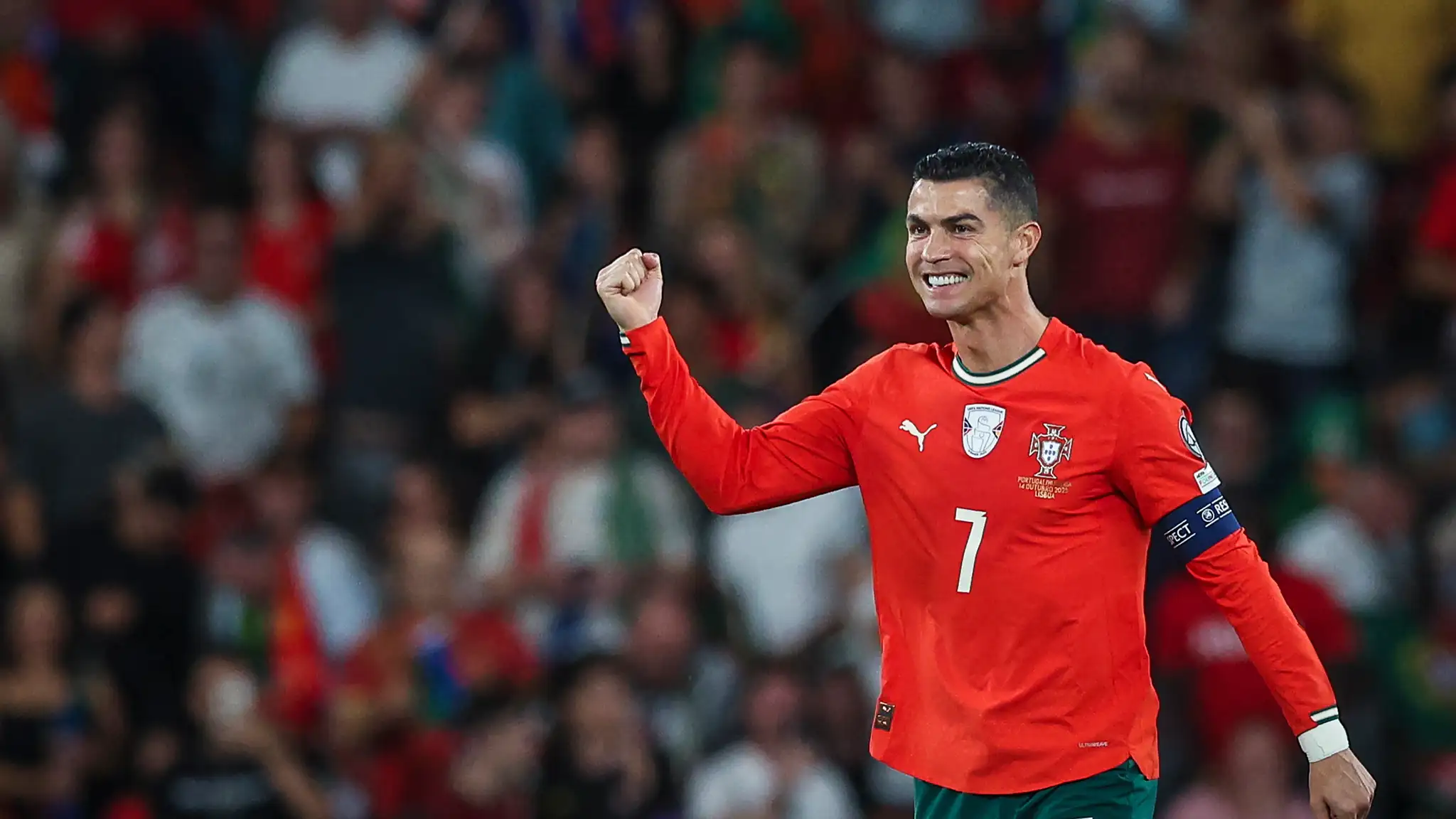
But what makes Portugal truly terrifying is that they no longer have to rely solely on Ronaldo's heroics. Holden points to what he considers the best midfield in the world—a terrifyingly deep rotation featuring Vitinha, Joao Neves, Joao Palhinha, and a peak-form Bruno Fernandes. Backed by a resolute defense anchored by Ruben Dias and Nuno Mendes, the squad is overflowing with elite talent from the world's biggest clubs.
Inevitably, the conversation shifts to the tantalizing prospect of a final World Cup showdown between Ronaldo and Lionel Messi. When comparing the two, Holden gives Portugal the clear edge over the defending champions, Argentina.
"The Portuguese players are simply in better form right now," Holden argues. "Messi practically carried Argentina to their last World Cup, and I don't think Portugal relies on Ronaldo to that same extreme." While acknowledging Argentina's trademark grittiness and defensive solidity, Holden questions the current form of key Argentine figures, concluding that Portugal’s overall balance and depth make them the ultimate team to beat in North America.